Flower Emoji: A Craft Fair Design Review
As an experienced embroidery designer who has spent countless weekends setting up booths at local craft fairs and managing a digital shop for handmade goods, I know that not every design translates well to a physical product. When I first opened the Flower Emoji machine embroidery design file, my immediate reaction was one of optimism. In the world of Single Flowers, this particular asset stands out because it bridges the gap between modern digital culture and traditional needlework. The description promises something cute, funny, and playful, which are exactly the adjectives that drive impulse buys at a market table.
First Impressions: Bold, Playful, and Versatile
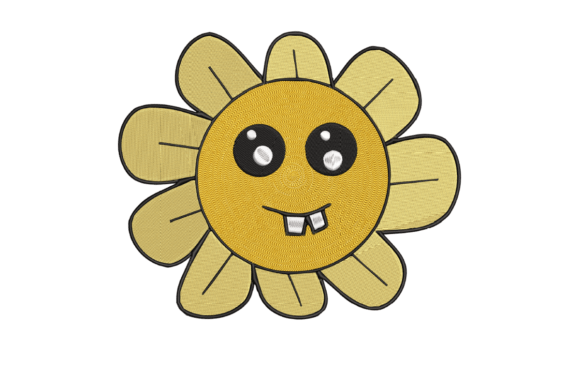
The visual impact of the Flower Emoji is instant. It does not try to be elegant or rustic in the farmhouse style; instead, it leans heavily into a friendly, modern aesthetic. For a craft fair seller, this is a significant advantage. Customers walking past your booth often have only seconds to engage with your display. A design that feels approachable and slightly humorous stops them in their tracks. The "emoji" aspect suggests a language everyone understands, making it a universally appealing motif for apparel and home decor alike.
When evaluating this as a potential staple for my inventory, I consider how it fits into the broader category of Embroidery trends. While realistic botanicals have their place, the stylized nature of the Flower Emoji offers a fresh alternative. It feels less like a decorative afterthought and more like a statement piece. This versatility means I can use it to create a cohesive look across different product lines without the design feeling out of place on either a rugged canvas tote or a soft cotton pillow cover.
Product Placement: Where Flower Emoji Shines
In a real-world scenario where I am preparing a table display for a weekend market, the placement of the design is critical. Here is how I would deploy the Flower Emoji to maximize sales:
- Tote Bags: This is arguably the strongest application. A large, centered Flower Emoji on a natural canvas tote bag creates an immediate focal point. The contrast between the colorful thread and the neutral fabric makes the design pop from several feet away, drawing customers to the booth.
- Kitchen Towels and Aprons: Tea towel embroidery featuring this design adds a touch of whimsy to the kitchen. On an apron, placed near the chest pocket, it serves as a conversation starter. The playful nature of the emoji aligns perfectly with the fun, creative vibe of a cooking enthusiast.
- Embroidered Patches: For those looking for smaller, giftable items, converting this design into patches is a smart move. They can be sold individually or attached to denim jackets, backpacks, and hats. This allows for a lower price point item that still carries high perceived value.
- Caps and Headwear: Curved surfaces require careful consideration, but the simple lines of the Flower Emoji generally translate well to caps. It works best as a small accent on the front panel rather than a sprawling side design.
- Pillow Covers: For home decor, a single large flower on a linen pillow cover creates a modern, boutique feel. It elevates the finished product from a basic household item to a curated handmade piece.
Production Practicality and Batch Efficiency
For any Etsy seller or boutique maker, time is money. One of the primary reasons I recommend the Flower Emoji for commercial embroidery is its production efficiency. Unlike complex floral arrangements with hundreds of stitch changes, this design appears streamlined. This simplicity reduces the likelihood of thread breaks and minimizes the time spent trimming loose ends, which is crucial when you are aiming to produce a batch of twenty identical items before a Saturday market.
However, practicality also involves understanding the limitations. As with any digital embroidery file, you must check the specific details regarding hoop size and stitch density before committing to a full run. If the design relies on very tiny details to convey the "funny" expression of the flower, shrinking it too much could result in a muddy mess. Always test the design on scrap fabric first. Run a sample to ensure the thread colors do not blend together unintentionally, especially if using variegated threads or working on textured fabrics like terry cloth towels.
Key Considerations for High-Quality Results
To ensure the final product looks premium and justifies a higher price tag, pay attention to these technical aspects:
- Fabric Texture: Thick fabrics or highly textured towels can sometimes hide fine details. Ensure the stabilizer you choose is appropriate for the weight of the material. A tear-away stabilizer might work for stiff canvas, but a cut-away is often better for stretchy apparel to prevent puckering.
- Thread Contrast: The charm of the Flower Emoji lies in its clarity. Use bright, contrasting thread colors against dark backgrounds to maintain visibility. If selling on dark fabric, consider using a white underlay or a backing patch to make the colors vibrant.
- Stitch Density: Inspect the design for areas where stitches might be too dense, which can cause fabric distortion. If you notice tight clusters, adjust the settings on your machine or manually trim excess thread to keep the surface smooth.
- Mockups and Listings: Before listing on Etsy or social media, create at least one real mockup. Photographing the actual embroidered item is far superior to a printable mockup. Real photos show the texture of the thread and the quality of the stitching, which builds trust with buyers.
Marketing Value and Brand Consistency
From a business perspective, the Flower Emoji offers excellent brand consistency. Because it is a recognizable icon, it can become a signature element for your small shop product line. Imagine a collection where every item features a variation of this flower—different colors, different sizes, but the same core identity. This repetition helps customers recognize your brand instantly in a crowded marketplace.
Furthermore, the design's appeal extends beyond just the physical object. It photographs beautifully for online listings. The clean lines and cheerful subject matter perform well on Instagram and Pinterest, platforms where many handmade products are discovered. When a customer sees a photo of a tote bag with a smiling flower emoji, they can easily imagine it fitting into their own lifestyle, whether they are carrying groceries, heading to the beach, or organizing their workspace.
Final Designer Notes and Licensing
Before you begin your production run, there is one non-negotiable step: confirm your commercial licensing. Even though the description mentions multiple embroidery file formats, you must verify that your license allows you to sell finished products containing the design. Some licenses restrict the number of items you can sell or require attribution. Do not risk your business by assuming; always read the terms provided with your download.
In conclusion, the Flower Emoji is a strong contender for any craft fair product lineup. It balances the need for speed in production with the desire for high visual appeal. Whether you are creating a custom apron embroidery order or stocking shelves with pre-made patches, this design offers a reliable path to sales. By paying attention to fabric choice, stabilizer use, and color contrast, you can turn this digital file into a tangible, high-quality handmade product that customers will love. Remember, the goal is not just to stitch a design, but to create a memorable experience for the buyer. With the right execution, the Flower Emoji can be the star of your next market booth.