Little Miss Lucky Charm: A Designer's Review
As a professional embroidery designer who has spent years curating seasonal collections for small businesses and Etsy shop owners, I approach every new digital embroidery file with a critical eye. The goal is never just to find a pretty picture; it is to find a design that solves a problem for the customer and drives sales during high-volume holiday periods. When I first opened the file for Little Miss Lucky Charm, I was immediately struck by its potential as a cornerstone piece for our upcoming St Patrick S Day product drop. This review details my practical assessment of how this machine embroidery design performs in real-world applications, from sweatshirts to home decor.
First Impressions: Mood and Market Fit
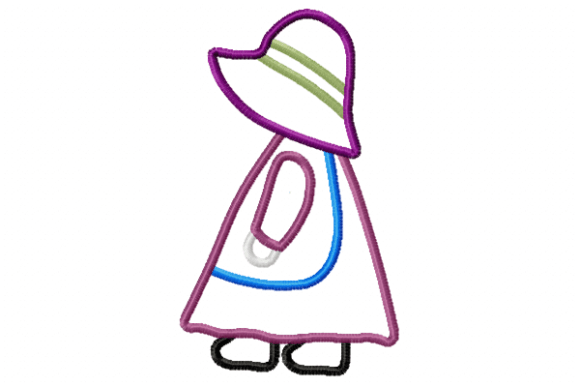
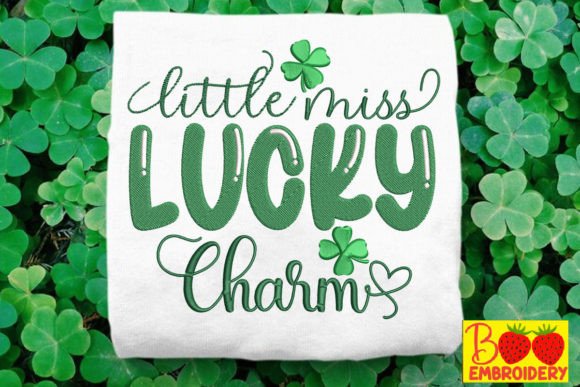
The initial visual impact of Little Miss Lucky Charm is undeniably festive and playful. In the world of seasonal embroidery, striking the right emotional tone is crucial. This design avoids the clutter often found in generic holiday patterns, opting instead for a clean, cute aesthetic that appeals to both children and adults seeking a touch of whimsy. The decorative style feels modern yet nostalgic, perfectly capturing the cozy spirit of early spring celebrations.
For an Etsy seller or a handmade gift maker, this emotional connection is the key to conversion. When a shopper sees a mockup of this design on a soft blanket or a denim jacket, they aren't just buying thread; they are buying a feeling of luck and charm. The detail level is sufficient to look premium without being so intricate that it causes stitching errors on lower-end machines. It strikes a balance that makes it ideal for a wide range of finished products, ensuring that the design remains recognizable even when scaled down for smaller items like embroidered patches.
Strategic Applications for Holiday Collections
When building a seasonal shop collection, versatility is paramount. Little Miss Lucky Charm excels here, offering a broad canvas for creativity across various product categories. My primary strategy for this design involves creating a cohesive line of apparel and home goods that can be sold as bundles or individual personalized gifts.
- Sweatshirt Embroidery: This design translates beautifully onto fleece and cotton blends. Placing it on the left chest creates a subtle statement, while centering it on the back of a crewneck makes it a bold fashion choice for family matching sets.
- Tote Bag Design: Canvas tote bags are a staple for craft fairs. The sturdy fabric holds the stitches well, making this a perfect candidate for eco-friendly shopping bags that double as promotional items for local shops.
- Kitchen Towel Embroidery: Home decor is a massive driver for holiday sales. Applying this motif to linen or cotton towels adds a festive touch to kitchen counters, appealing to buyers looking to refresh their home before the holiday weekend.
- Pillow Covers and Ornaments: For those focusing on interior design, this embroidery file works wonderfully on square pillow covers or felt ornaments. The rounded shapes of the design complement the soft textures of these items perfectly.
- Aprons and Table Linens: As mentioned in the product description, this design looks great on aprons. Imagine a limited edition run of chef aprons featuring Little Miss Lucky Charm for a "Lucky Chef" promotion. It elevates a simple utility item into a collectible piece.
In a small shop product lineup, the ability to use one design across multiple SKUs reduces inventory risk. You can produce a batch of shirts, a batch of totes, and a batch of pillows using the same digital asset, maximizing your return on investment.
Navigating Technical Challenges
While Little Miss Lucky Charm is robust, no design is immune to technical pitfalls if not handled correctly. As experienced designers, we know that the difference between a bestseller and a return often lies in the execution. There are specific scenarios where this design requires careful attention to ensure quality.
First, consider hoop size. While the design is versatile, shrinking it too much for tiny hats or baby socks can compromise the clarity of the features. Always test stitch out at the intended scale to ensure the "cute" factor doesn't turn into a muddy mess. Similarly, when working with thick fabrics like heavy terry cloth towels or dense denim, the stitch density must be evaluated. If the density is too high, the fabric may pucker; if too low, the backing might show through.
Fabric texture also plays a significant role. On stretchy garments like performance tees or knit caps, the design may distort over time unless the correct stabilizer is used. I recommend using a cut-away stabilizer for stretchy items to maintain the integrity of the embroidery after repeated washing. Furthermore, when using metallic thread for a special edition run, be aware that metallics can snag more easily. Test your thread colors on both light and dark fabrics beforehand. A design that pops on white cotton might get lost on black fleece without proper contrast adjustments.
Maximizing Seasonal Appeal and Sales
The true value of Little Miss Lucky Charm lies in its ability to drive engagement during peak holiday shopping periods. This design taps directly into the buyer emotion associated with St. Patrick's Day: luck, celebration, and community. By featuring this design prominently in your printable mockup galleries and social media previews, you create immediate visual recognition.
For the savvy commercial embroidery user, this design enhances brand consistency. Using a cohesive theme across your listings signals professionalism to the customer. When a buyer sees a matching set of hoodies, totes, and pillows all featuring the same charming character, the perceived value of each item increases. This "bundle effect" encourages higher average order values, which is critical for profitability during short holiday windows.
Trust is another factor. Customers today are discerning; they want high-quality, well-executed handmade gifts. By taking the time to review small details after stitching and ensuring the finish is flawless, you build a reputation for excellence. This trust translates into repeat customers and positive reviews, which are the lifeblood of any online marketplace.
Practical Designer Notes for Success
To get the most out of Little Miss Lucky Charm, follow these essential steps before launching your product line:
- Verify Licensing: Before selling finished seasonal products, confirm the commercial licensing terms of the digital embroidery file. Ensure you have the right to sell items made with this design.
- Test Stitch Outs: Never skip the test run. Stitch the design on the exact fabric and weight you plan to sell. Check for underlay issues and trim excess threads carefully.
- Optimize Color Palettes: Plan matching color palettes that go beyond the traditional green. Consider gold, cream, or navy accents to create unique variations that stand out in a crowded market.
- Create Realistic Mockups: Use high-quality photos for your listings. Show the design on actual products rather than relying solely on computer-generated images to manage customer expectations.
- Check File Formats: Ensure the embroidery file is compatible with your machine software. If the format isn't specified, contact the provider to avoid compatibility headaches.
Ultimately, Little Miss Lucky Charm is more than just a pattern; it is a strategic asset for any creator looking to capitalize on the holiday embroidery market. With its charming aesthetic and versatile application, it offers a reliable path to creating memorable, high-quality products that resonate with shoppers. Whether you are decorating a single pillow cover for a friend or producing a full line of apparel decorators items, this design brings a touch of magic that customers will love.