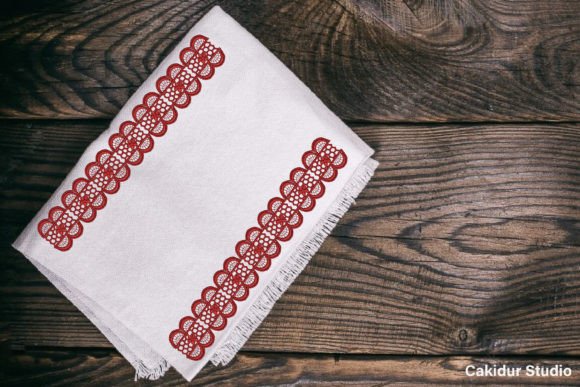
Maroon Fence Border: A Designer Review
As a professional embroidery designer who has spent years refining machine embroidery design files for small business owners, I approach every new asset with a critical eye. My focus is not just on how a pattern looks in a digital preview, but how it translates into a tangible, high-quality product that elevates a brand. Today, I am reviewing the Maroon Fence Border, a design described as featuring flowers in abstract shapes intended to provide a fresh and classical accent. For those of you running boutique shops, cafes, or handmade brands, this review will break down whether this specific Borders design belongs in your production queue for branded merchandise.
First Impressions: Blending Rustic Charm with Professional Polish
When I first opened the digital file for the Maroon Fence Border, my immediate reaction was one of intrigue. The title suggests a structured, perhaps traditional element, while the description promises "abstract shapes" and a "fresh" feel. This combination is often the sweet spot for modern branding. In the world of Embroidery, designs that balance structure with organic flow tend to perform best across various applications.
The maroon color palette implied by the name offers a rich, warm tone that pairs exceptionally well with earth tones, creams, and deep navys. For a florist, a bakery, or a creative studio, this border does not scream "corporate logo." Instead, it whispers "handcrafted quality." It feels like a design that could seamlessly transition from a rustic café apron to a premium tote bag for a boutique clothing line. The abstract floral elements suggest movement and life, which helps prevent the design from feeling static or overly rigid. However, the "fence" aspect implies a repeating motif, which is crucial for borders used on hems, collars, or patch edges.
Evaluating Real-World Business Applications
A design is only as good as its utility in a commercial setting. Let's explore how the Maroon Fence Border performs when applied to actual small business merch and custom apparel projects.
Branded Patches and Uniform Accents
One of the most versatile uses for this design is as an embroidered patch. Imagine a staff uniform for a local coffee shop. A solid block of color can be monotonous, but adding the Maroon Fence Border along the bottom edge of a denim vest or the cuff of a chef's jacket adds a layer of sophistication. Because the pattern consists of flowers in abstract shapes, it creates visual interest without overwhelming the wearer. For cap embroidery, this border could serve as a stunning base for a logo placed above it, grounding the text with a decorative flourish that feels intentional rather than tacked on.
Tote Bags and Aprons
In the realm of tote bag design, borders are essential for framing central logos or leaving negative space for handwritten messages. The Maroon Fence Border works beautifully here, particularly on canvas or heavy cotton blends. Its "classical accent" nature makes it suitable for gift bags at weddings or events. Similarly, for apron embroidery, placing this border around the bib pocket or the waist tie can transform a standard work garment into a branded asset that customers notice. It signals that the business cares about presentation, which directly impacts customer trust.
Product Packaging and Labels
For handmade product sellers on Etsy or independent crafters, the finished product needs to look cohesive. Using this digital embroidery file on fabric labels sewn into the lining of hats or scarves adds a touch of luxury. It tells the buyer that attention to detail extends even to the hidden parts of the garment. When paired with a simple woven label, the embroidered border acts as a signature mark of authenticity.
Critical Considerations for Production
While the aesthetic appeal is strong, a professional designer must also consider the technical execution. Here is where the Maroon Fence Border requires careful handling to ensure the final output meets commercial standards.
Stitch Density and Fabric Texture
The description mentions "flowers in abstract shapes," which often implies varying stitch densities. If the design relies heavily on satin stitches for the flower petals, it may become too dense for lightweight fabrics. On textured materials like wool or thick fleece, high density can cause puckering. I strongly advise testing the stitch density on a scrap piece of your target fabric before committing to a full run. If the design feels too heavy, you may need to adjust the underlay or reduce the fill percentage in your digitizing software.
Scaling and Hoop Size
Borders are meant to repeat, but scaling them down too much can ruin the integrity of the abstract shapes. If you plan to use this for tiny patches or narrow cap brims, check the minimum recommended size. The details of the flowers might blur if the design is shrunk below a certain threshold. Always confirm the required hoop size before starting. If the border is wide, you may need a larger hoop or a multi-hoop setup, which increases production time and cost. For commercial embroidery projects, efficiency is key, so knowing these constraints upfront prevents delays.
Thread Colors and Contrast
The "Maroon" designation suggests a specific colorway, but versatility is vital for branding. Does the design hold up if converted to black thread for a dark uniform? Or does it lose definition on a white background? You must review thread colors carefully. High contrast is essential for legibility and impact. If the abstract shapes rely on subtle shading, they may disappear on low-quality fabric. Always create a printable mockup using your actual brand colors to visualize the contrast before purchasing thread spools.
Impact on Brand Identity and Customer Perception
Choosing the right design assets is a strategic decision. The Maroon Fence Border contributes to a brand identity that values tradition mixed with creativity. It avoids the sterile look of vector-only graphics and embraces the tactile nature of textiles. For a small business, this distinction builds emotional connection. Customers perceive embroidered items as more durable and valuable than printed ones. By incorporating this border into your custom apparel, you signal that your products are made to last and crafted with care.
This visual consistency across your merchandise—from work shirts to event gifts—reinforces recognition. When a customer sees that same elegant border on a tote bag and then on a staff member's apron, it creates a cohesive brand experience. It elevates the perceived value of your goods, allowing you to command higher price points. In a crowded market, these small details differentiate a generic product from a premium brand offering.
Final Designer Notes and Recommendations
Before integrating the Maroon Fence Border into your workflow, follow these practical steps:
- Test in Black and White: Run a test stitch in a single color to check for jumping threads, registration issues, or tension problems without the distraction of multiple colors.
- Verify Commercial Licensing: Ensure you have the rights to use this embroidery file for commercial purposes. Many designers sell personal-use licenses that do not allow for resale on merchandise.
- Inspect Spacing: If repeating the border, check the spacing between motifs to ensure they flow naturally without clashing.
- Use Proper Stabilizer: Given the floral details, a cut-away stabilizer is likely necessary to support the stitches during frequent washing.
- Create Client Mockups: If working for a client, present realistic photos of the design on the actual product to manage expectations.
The Maroon Fence Border is a promising asset for businesses looking to add a touch of classical elegance to their merchandise. With proper testing and attention to technical details, it can serve as a powerful tool for enhancing brand identity and creating memorable, high-quality products. Whether for a local bakery's aprons or a boutique's limited-edition caps, this design offers the versatility needed to stand out in the competitive world of handmade and custom goods.