Elephant on the Wind Carpet: Design Review
As a professional embroidery designer who has spent years translating digital files into tangible brand assets, I approach every new machine embroidery design with a critical eye. My goal is not just to see if a design looks pretty, but to determine if it can withstand the rigors of commercial production while elevating a client's brand identity. Today, I am reviewing a specific asset titled Elephant on the Wind Carpet, categorized under Wild Animals and designed for Embroidery applications. This review is tailored for small business owners, Etsy sellers, apparel decorators, and merch creators looking to integrate this motif into their product lines.
First Impressions: Visual Personality and Brand Fit
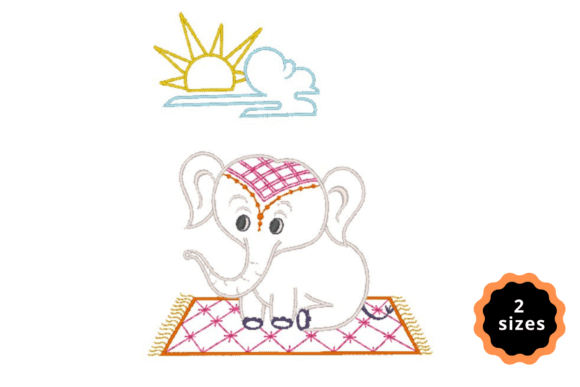
The title alone, Elephant on the Wind Carpet, evokes a sense of whimsy and movement. Based on the description stating that this "adorable embroidery will give your fabrics an extraordinary look," my initial assessment suggests a design that leans towards the playful and decorative side of the spectrum rather than the starkly corporate. For a boutique bakery, a florist, or a creative studio, this aesthetic is perfect. It signals warmth, creativity, and a handmade touch.
However, when evaluating a design for small business merch, we must ask if it translates well beyond a simple accent. The concept of an elephant moving across a "wind carpet" implies flowing lines and potentially organic shapes. In the world of custom apparel, this type of imagery works exceptionally well as a secondary logo, a sleeve detail, or a patch on a tote bag. It feels less like a rigid logo and more like a story element, which is excellent for building customer engagement and making a brand feel accessible and friendly.
Evaluating Real-World Business Applications
When I load this digital embroidery file onto my digitizing software, I immediately begin visualizing its placement on various substrates. Here is how Elephant on the Wind Carpet performs in specific business scenarios:
- Embroidered Patches: This design is a strong candidate for creating high-quality patches. The flowing nature of the "wind carpet" element could provide a nice background texture that hides minor fabric imperfections. These patches could be sewn onto denim jackets, canvas aprons, or even used as decorative elements on backpacks for a pet brand or a children's clothing line.
- Staff Uniforms and Aprons: For a café or a boutique, placing this design on the chest pocket of a staff shirt or the bib of an apron adds a unique flair. Unlike standard text logos, this image invites conversation. A customer seeing an employee wearing an apron embroidery featuring an elephant might ask about the meaning, sparking a connection with the brand.
- Cap Embroidery: Caps are a staple for promotional items. If the design is compact enough, it could work beautifully on the front panel of a baseball cap. However, care must be taken with the curvature of the cap; the "wind" elements need to remain legible and not get distorted by the 3D shape of the hat.
- Tote Bag Design: Tote bags are essentially large canvases. A larger version of Elephant on the Wind Carpet would look striking here, especially if using contrasting thread colors. This is a prime example of where a tote bag design can serve as both functional merchandise and a walking billboard for your shop.
Critical Considerations for Production
While the artistic potential is high, a professional designer knows that execution is everything. There are specific areas where Elephant on the Wind Carpet requires careful handling to ensure a premium finished product.
First, consider stitch density. Designs with flowing elements like wind or carpets often require dense satin stitches or fill stitches to create the illusion of texture. If the density is too high, it can cause puckering on lighter fabrics like linen or thin cotton, which is common for handmade products. Conversely, if the density is too low, the design may look sparse and cheap. You must test the file on the actual fabric you intend to use before committing to a bulk run.
Second, pay attention to hoop size limitations. The description mentions the design comes with multiple options, but you must verify the dimensions. If you are trying to fit this onto a small patch or a tiny logo area, the intricate details of the elephant and the carpet might become muddy. Always check the minimum recommended size for clarity. Similarly, avoid using this design on highly textured fabrics like heavy fleece or corduroy unless you have tested it first, as the texture can interfere with the needle penetration and thread lay.
Finally, color contrast is vital. On dark uniforms, the "wind carpet" effect needs light-colored threads to pop. Without proper contrast, the design will disappear against the background fabric. Ensure your thread colors are selected specifically to stand out against your chosen material.
Impact on Brand Identity and Professionalism
Incorporating a unique design like Elephant on the Wind Carpet does more than just decorate a garment; it reinforces your brand identity. For businesses selling Wild Animals themed goods or those wanting to project a gentle, nature-inspired vibe, this asset builds recognition. When customers see consistent, high-quality commercial embroidery across your team's uniforms, your packaging accents, and your event merch, it signals professionalism and attention to detail.
This level of consistency increases customer trust. A well-executed embroidered patch on a tote bag feels more valuable than a screen-printed sticker. It suggests that the business cares about quality, which often translates to higher perceived value for the core products being sold. Whether you are creating gifts for loyal customers or stocking shelves at a craft fair, these design assets help your brand stand out in a crowded marketplace.
Practical Designer Notes for Implementation
Before you purchase or license this embroidery file for your business, follow these practical steps to ensure success:
- Test in Black and White: Download a preview or stitch out a sample in black thread first. This allows you to judge the balance of the design without the distraction of color. Look for any gaps in the stitching or areas where the design might collapse.
- Verify Commercial Licensing: Ensure you have the right to use this design for commercial embroidery. Some digital files are for personal use only. Confirming this upfront protects your business from legal issues later.
- Check Stabilizer Needs: Because of the likely complexity of the "carpet" element, you will need a high-quality stabilizer. Test different types (cut-away vs. tear-away) to see which supports the design best on your specific fabric.
- Create a Printable Mockup: Before sending the design to production, generate a printable mockup showing the design on your actual products. Show this to your clients or stakeholders for approval. It is much cheaper to adjust a digital image than to re-stitch fifty shirts.
- Compare with Other Assets: Place Elephant on the Wind Carpet next to your existing logos and other design assets. Does it clash? Does it complement? Visual consistency is key to a cohesive brand.
In conclusion, Elephant on the Wind Carpet offers a delightful opportunity for small businesses to add character to their merchandise. With proper testing regarding stitch density, fabric choice, and licensing, this design can transform simple garments into memorable brand experiences. Whether used as a subtle accent or a bold statement piece, it has the potential to make your small business merch truly extraordinary.