Reviewing the Baby Duck Embroidery Design for Craft Fairs
As a professional embroidery designer who has spent countless weekends setting up booths at craft fairs and managing handmade market stalls, I know that not every design translates well from the computer screen to the sales table. Today, I am reviewing the Baby Duck machine embroidery design. This piece falls squarely into the Baby Animals category, but its potential goes far beyond just nursery decor. The description promises an extraordinary look for any fabric needing a nice accent, and as someone who evaluates designs based on their ability to sell, I need to determine if this digital file is a genuine winner for my upcoming booth.
First Impressions: A Cute and Versatile Accent
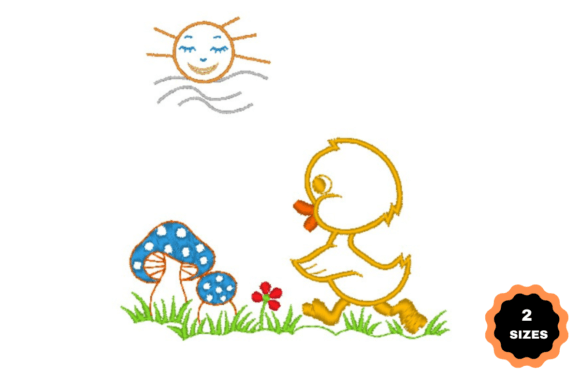
When I first load the Baby Duck file onto my hoop, the immediate impression is one of soft charm. It feels undeniably cute, with a whimsical quality that appeals to parents, gift shoppers, and anyone looking for a touch of spring or summer in their home. Unlike some overly complex animal designs that can look cluttered when stitched, this design strikes a balance between detail and simplicity. It has a modern yet rustic feel, making it suitable for both farmhouse-style aprons and sleek, contemporary tote bags. The design does not scream "loud" or "bold"; instead, it whispers "quality" and "handmade care," which is exactly what we want to convey in a competitive marketplace.
Product Potential: Where Baby Duck Shines
The real test of any Embroidery design is how it performs on finished products. For a weekend craft fair, I need items that catch the eye quickly. Here is how I envision the Baby Duck performing across various handmade product lines:
- Tote Bags: A large version of this design on a natural canvas tote bag would be a standout tote bag design. The texture of the canvas complements the stitch work, and the yellow thread colors pop beautifully against beige or white backgrounds. It works perfectly as a focal point near the top corner.
- Kitchen Textiles: As an apron embroidery or tea towel embroidery, this duck adds a playful touch to kitchen wear. Imagine a linen tea towel with a small Baby Duck in the corner; it instantly transforms a utility item into a giftable piece. The design is detailed enough to hold interest but simple enough not to overwhelm the fabric texture.
- Patches and Caps: If you are selling embroidered patch collections or custom caps, this design is excellent. On a curved cap surface, the roundness of the duck's body fits naturally without distortion. As a detachable patch, it allows customers to customize denim jackets or backpacks, increasing the perceived value of your small shop product.
- Pillow Covers and Pouches: For home decor, a pillow cover featuring this design offers a cozy aesthetic. Similarly, small fabric pouches for cosmetics or jewelry become premium items when adorned with such a charming motif.
Selling Points and Visual Appeal
What makes the Baby Duck a strong contender for a craft fair product is its clarity. In a busy market environment, customers scan tables rapidly. A design that is easy to understand at a glance wins. This duck is recognizable immediately. It does not require the buyer to squint to figure out what they are looking at. Furthermore, it photographs exceptionally well for online listings. If you are an Etsy seller, this design creates stunning printable mockup opportunities. The contrast between the yellow thread and common fabric colors ensures that your product photos stand out in search results.
The design also feels repeatable for batch production. Because the stitching appears balanced, you can produce a run of twenty identical items without worrying about major quality inconsistencies, provided you maintain consistent tension and stabilizer use. This repeatability is crucial for maximizing profit margins during high-traffic events. The visual appeal elevates the perceived value of the finished product, allowing you to price your items higher than generic mass-produced goods.
Practical Production Notes and Challenges
While the Baby Duck is promising, a professional designer knows that execution is everything. There are specific areas where careful attention is required to ensure the final result looks premium.
Density and Detail
Check the stitch density carefully. Some areas of the duck, particularly around the beak or feet, might have dense stitching. If you are working with thick fabrics like heavy canvas or textured towels, these dense areas could cause puckering. Always test the design on scrap fabric first. If the design is too tight, you may need to adjust the settings on your machine or choose a lighter weight fabric to maintain a smooth finish.
Fabric and Color Choices
Thread colors are vital. While yellow is iconic for a duck, ensure the shade you choose contrasts well with your base fabric. Avoid using dark threads on dark fabrics unless you have a very light underlay. For commercial embroidery, consistency in color matching across batches is key to brand consistency. Also, consider the fabric texture; highly textured wovens can sometimes obscure fine details in smaller versions of the design.
Hoop Size and Stabilizer
Before committing to a full production run, confirm the hoop size requirements. The description mentions multiple sizes, but you must verify which size retains the best detail. Small accents on caps or patches require precision; if the design is too small, tiny details may get lost. Always use the right stabilizer. For stretchy fabrics or delicate linens, a tear-away or cut-away stabilizer will prevent distortion and ensure the stitches lay flat.
Strategic Advice for Sellers
If you are planning to use the Baby Duck digital embroidery file for your business, follow these steps to maximize success:
- Create Real Mockups: Do not rely solely on digital previews. Stitch out at least one sample on each type of product you plan to sell. Photograph these real samples to build trust with your customers.
- Test Spacing: Review the spacing between elements if you plan to add text or other graphics alongside the duck. Ensure there is enough room so the design does not look crowded.
- Verify Licensing: Before selling any finished product, confirm your commercial licensing rights. Ensure you are permitted to sell items made with this machine embroidery design at craft fairs and online marketplaces.
- Compare Fabric Colors: Create a swatch book with different fabric colors to show customers how the Baby Duck looks in various contexts. This helps buyers visualize the product in their own homes.
In conclusion, the Baby Duck design is a solid asset for any creative entrepreneur. Its blend of cuteness, versatility, and clear visual identity makes it a strong addition to a collection of design assets. Whether you are selling handmade gifts at a local fair or expanding your Etsy shop, this design has the potential to drive engagement and boost sales. By paying attention to the practical details of production—such as stabilizer choice, thread contrast, and fabric selection—you can turn this digital file into a line of high-quality, desirable products that customers will love to take home.